
"East African Rift"
200 article(s) found

[African Coffee] what are the best coffee brands in Africa
Professional coffee knowledge exchange more coffee bean information please follow the coffee workshop (Wechat official account cafe_style) African coffee is mainly distributed in the East African plateau strip, north of Yemen, Ethiopia, then branches into the seaside Kenya, Tanzania, as well as the heart of Africa three small countries Uganda, Rwanda, Burundi, and finally to the southernmost Malawi, forming thousands

The coffee producing area of Ethiopia is divided into east and west boutique coffee by the East African Rift Valley.
The coffee-producing region of Ethiopia is divided into east and west parts by the East African Rift Valley, with lakes, volcanoes, lowlands, plateaus and woodlands interlaced, each evolving. Ethiopia has the most diverse coffee ecosystem in the world (forest coffee, semi-forest coffee, pastoral coffee and plantation coffee), which also preserves its rich Arabica genes. The eastern half is mostly the plateau.

What are the famous coffee beans in Africa? How do you drink African coffee? What's a good brand of African coffee?
Professional coffee knowledge exchange more coffee bean information please follow the coffee workshop (Wechat official account cafe_style) African coffee is mainly distributed in the East African plateau strip, north of Yemen, Ethiopia, then branches into the seaside Kenya, Tanzania, as well as the heart of Africa three small countries Uganda, Rwanda, Burundi, and finally to the southernmost Malawi, forming thousands

G1 Sidamo sidamo Shakiso shakisso production area sour flavor East African Great Rift Valley (Great R
Boutique coffee is fresh coffee. Whether it's food or drink, of course, the fresh the better, and so is boutique coffee. High-quality coffee should keep the coffee beans fresh before making, including the preservation of baked beans, and grind the coffee beans into powder before making, which is also to retain its original and best flavor. And the way of making hand-made coffee is such a way to make high-quality coffee.
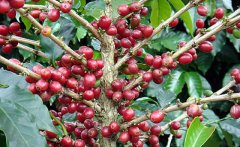
Ethiopian coffee producing areas are divided into east and west parts by the East African Rift Valley.
Boutique coffee (specialty coffee) is also called specialty coffee selection coffee. It refers to coffee made from a small number of raw beans with excellent taste grown in an ideal geographical environment. Depending on the special soil and climatic conditions in which they grow, they have outstanding flavor. After strict selection and classification, this kind of coffee is hard in texture, rich in taste and stylish.

Thick mellow thickness of Ugandan coffee flavor manor characteristics of boutique coffee beans
Most of Uganda is located in the East African Plateau, with lakes, with an average elevation of 1000 to 1200 meters, which is known as the water village of the plateau. The western branch of the East African Rift Valley runs through the western border, with many rivers and lakes at the bottom of the valley. The western branch of the East African Rift Valley runs through the western border, with many rivers and lakes at the bottom of the valley. Between the rift zone and the eastern mountains is a broad shallow basin with many swamps. The eastern boundary is Mount Elgon, 4321 m above sea level; southwest

Introduction of fine coffee with fresh and bright taste in Ethiopian coffee manor
The Great Rift Valley of East Africa extends from the Dead Sea Jordan Valley of West Asia to the south of the Gulf of Aqaba through the Red Sea and runs through the central Ethiopian plateau from northeast to southwest. After arriving at Lake Abaya at the southern tip of Ethiopia, the Great Rift Valley divides into east and west branches and continues to extend south. The eastern branch rift is the main rift valley, which runs southward through the Kenyan highlands through Lake Turkana at the northern tip of Kenya and southwest through Lake Maniara.

Strong aroma of Tanzanian coffee flavor taste introduction of boutique coffee in manor producing area
Tanzania covers an area of 945087 square kilometers, of which Zanzibar is 2657 square kilometers. It consists of the mainland, Zanzibar and more than 20 small islands. Located in eastern Africa and south of the equator, the continent is bounded by the Indian Ocean to the east, Zambia, Malawi and Mozambique to the south, Rwanda, Burundi and the Democratic Republic of the Congo to the west, and Kenya and Uganda to the north. The coastline of the mainland is 840 kilometers long.

The Origin of Sidamo Coffee in the Great Rift Valley of East Africa: an introduction to the description of washed Sidamo flavor
The world-famous East African Rift Valley has long been known as the birthplace of mankind, but also recognized as the birthplace of coffee. The Sidamo region of Ethiopia happens to be located in this lush and mysterious canyon. As the birthplace of coffee, Ethiopian coffee has an unforgettable unique aroma and distinctive and insurmountable quality. Here

Introduction of World Coffee producing area to Kenya (1)
Basic national profile area 582644 people 3.4 million languages: official language is English Capital: Nairobi Nairobi currency Unit: Kenya Shilling location Kenya is located in eastern Africa, the equator runs through the middle of the country, and the East African Rift Valley runs through the north and south, so Kenya is known as the East African Cross. Kenya borders Somalia in the east, Tanzania in the south and Ukraine in the west.
The birthplace of coffee-Arabica coffee beans in Ethiopia
Ethiopia is the cradle of mankind and Arabica. Although Ethiopia is located in the tropics, it has a higher altitude, cooler climate than African countries, abundant water resources, abundant species, flowers in full bloom, and has the microclimate needed for boutique coffee! Ethiopia is divided into east and west half walls by the East African Rift Valley, each evolving! The producing areas west of the Great Rift Valley include Zige and Jin of Lake Tana.

African coffee beans what are the main coffee producing areas of Kenya? what are the beans named after?
Professional coffee knowledge exchange more coffee bean information please follow the coffee workshop (Wechat official account cafe_style) the front street of Kenya Coffee introduction Kenya is located in the equator across the east and west, the Rift Valley of East Africa runs through the north and south. It is bordered by Somalia to the east, the Indian Ocean to the southeast, Tanzania to the south, Uganda to the west, South Sudan to the northwest and Ethiopia to the north. From east to west, the altitude changed from low to high.
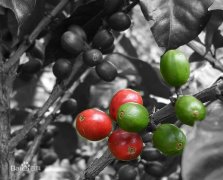
Ethiopian Sidamo African boutique coffee
The coffee flavor of Sidamo is very diverse, because of the different soil composition, regional microclimate and countless native coffee varieties, the coffee produced in each urban area has obvious differences and characteristics. Sidamo producing area (Sidama) is located in the south of Ethiopia. The industry here is mainly agricultural, and the coffee growing area is located around the Great Rift Valley (Great Rift Valley) of East Africa.

Strong aroma of Tanzanian coffee taste the characteristics of the manor producing area introduce Kilimanjaro coffee
Coffee growing area: African Coffee: medium concentration Coffee description: refreshing acidity and medium mellow complement blackcurrant and sweet orange flavors processing method: washing with flavors: blackcurrant, orange and lemon-like coffee: Kenya coffee Tanzania coffee from the rich soil of the East African Rift Valley, is an outstanding representative of quality coffee from this region. Its clear

Sidamo Coffee Variety Introduction Huaqui Coffee Taste Introduction
Professional coffee knowledge exchange More coffee bean information Please pay attention to coffee workshop (Weixin Official Accounts cafe_style) Qianjie Sidamo flower variety flavor introduction Sidamo coffee flavor is very diverse, because different soil composition, regional microclimate and countless native coffee varieties, resulting in each town area produced coffee has obvious differences and characteristics. Sidamo

Best African Coffee Bean Name Archives Where do the best African coffee beans come from?
Professional coffee knowledge exchange More coffee bean information Please pay attention to coffee workshop (Weixin Official Accounts cafe_style) The best African coffee beans: bean name Ethiopia Kafa forest price HKD70/200g Origin/Manor Kafa forest production geographical environment 1700- 1900m processing method Sunlight taste special flower fragrance, cocoa, fruit aroma introduction from

Arusha Coffee Manor in Tanzania introduces boutique coffee beans
Coffee growing area: African Coffee: medium concentration Coffee description: refreshing acidity and medium mellow complement blackcurrant and sweet orange flavors processing method: washing with flavors: blackcurrant, orange and lemon-like coffee: Kenya coffee Tanzania coffee from the rich soil of the East African Rift Valley, is an outstanding representative of quality coffee from this region. Its clear

Ethiopian Solar Sidamo G1 Coffee beans description of flavor characteristics of Sidamo coffee beans
Ethiopia Sun Xida Moyadi G1 Cup Test 95 points production area: MichichaKelensoMoconissa Town, Sidama Province Variety: TypicaHeirloom (local native species) production: Ardi (local coffee farmers)

Kenyan Andabeth Manor Solar Micro batch | introduction to the flavor and taste of Kenyan coffee varieties
Professional coffee knowledge exchange more coffee bean information Please pay attention to the coffee workshop (Wechat official account cafe_style) washed Kenyan coffee has bright and lively acidity, refreshing taste, sun-treated Kenyan coffee fruit notes, high sweetness, thick taste. Today, the editor will introduce to you the micro-batch of [Kenya Andabeth Manor] produced in the eastern Rift Valley.

Unique Ethiopian Coffee Manor boutique Coffee Bean Flavor, taste and aroma description Jane
Large-scale coffee-growing villages account for about 35% of the country's total coffee production. These coffee farms, which use a multi-tier coffee planting system, are carefully cared for. Coffee farmers do not use chemical fertilizers, but use fallen leaves and animal and plant debris to increase soil nutrition. In addition to coffee, farmers also frequently grow non-coffee crops. It even accounts for the total amount of coffee in the country.